Category Archives: Data

What is data classification, and why is it important?

DataClassificaiton
The benefits of data classification and the features of a tool like Microsoft Purview, a unified data governance service.

Data classification organizes data into categories based on its type, sensitivity, value, and usage. Data classification helps organizations at all levels to:

  • Protect sensitive and confidential data from unauthorized access, misuse, or loss.
  • Comply with data privacy and security regulations, such as GDPR, HIPAA, or CCPA.
  • Improve data quality, accuracy, and consistency to increase reliability; enhance data analysis, reporting, and decision-making by making the data more accessible and easily understood.
  • Comply with data privacy and security regulations, such as GDPR, HIPAA, or CCPA.
  • Optimize data storage, backup, and archiving strategies.
  • Improve data quality, accuracy, and consistency.
  • Enhance data analysis, reporting, and decision-making.

Data classification is not a one-time activity but a continuous process requiring regular monitoring and updating. However, data classification can be challenging, especially for large and complex data environments. Some of the common challenges I’ve ran into in the past are:

  • Lack of visibility and control over the data sources, locations, and flows.
  • Inconsistent or missing data labels, metadata, and tags.
  • Manual and time-consuming data classification processes.
  • Difficulty in enforcing data policies and standards across the organization.
  • High costs and risks of data breaches, fines, or reputational damage.

Data classification is also essential for dealing with large volumes of sensitive and regulated data, such as customer information, transaction records, credit scores, and financial statements. Data classification can help enterprise estates to:

  • Prevent data leaks, fraud, or identity theft that can harm customers and the institution’s reputation.
  • Meet the compliance requirements of various regulators, such as the Financial Conduct Authority (FCA), the Securities and Exchange Commission (SEC), or the Federal Reserve.
  • Reduce data storage and management costs by identifying and deleting redundant, obsolete, or trivial data.
  • Improve the data quality and reliability by detecting and correcting errors, inconsistencies, or anomalies.
  • Provide relevant and accurate data to enhance data analysis and reporting capabilities, supporting business intelligence, risk management, and customer service.

How can Microsoft Purview help with data classification?

Microsoft Purview is a unified data governance service that can help organizations discover, catalog, classify, and manage their data assets across on-premises, cloud, and hybrid environments. Microsoft Purview enables organizations to:

  • Automatically scan and catalog data sources, such as SQL Server, Azure Data Lake Storage, Azure Synapse Analytics, Power BI, and more.
  • Apply built-in or custom data classifications to identify and label sensitive or business-critical data.
  • Use a data map to visualize the data lineage, relationships, and dependencies.
  • Search and browse the data catalog using natural language queries or filters.
  • Access data insights and metrics, such as data quality, freshness, popularity, and compliance status.
  • Define and enforce data policies and standards across the organization.
  • Integrate with Azure Purview Data Catalog, Azure Synapse Analytics, Azure Data Factory, and other Azure services to enable end-to-end data governance and analytics.

Data classification is a vital component of data governance and management. It helps organizations protect, optimize, and leverage their data assets. Tools like Microsoft Purview is a comprehensive data governance service that simplifies and automates data classification and other data governance tasks. With Microsoft Purview, organizations can gain more visibility, control, and value from their data.

How Can Data Empower Leaders

Using data effectively, leaders can make better decisions, drive innovation, and inspire trust.

What is leadership through data?

Leadership that utilizes data is the ability to use data as a strategic asset for achieving organizational goals. Data leaders are not necessarily data experts, but they understand the value and potential of data and can foster a data-driven culture within their teams and organizations. Data leaders use data to better inform their decisions, communicate their vision, and measure their impact. Leadership within data is not just about having access to data but about using it wisely, strategically, and ethically.

Why is data leadership important?

Leadership in data is necessary because data is everywhere and is constantly growing. Data can provide insights into customer behavior, market trends, operational efficiency, and drive a data-driven culture. Data can also help leaders identify opportunities, solve problems, and innovate for the future. Helping leaders gain a competitive edge, improve performance, and increase customer satisfaction. Finally, leadership within data can also help leaders build trust, transparency, and accountability with their stakeholders and foster a culture of learning and collaboration. Taking data and its quality to the next level will help drive any company’s strategic priorities and critical initiatives.

How can leaders use data effectively?

Leaders can use data effectively by following some best practices, such as (but not limited to):

  • Define clear and relevant goals and metrics. Leaders should know what they want to achieve and how they will measure their progress and success. Leaders should also align their data and organizational goals and communicate them clearly and concisely to their teams and stakeholders. Extreme Ownership.
  • Collect and analyze data from multiple sources and perspectives. Leaders should not rely on a single source or type of data but seek to gather and integrate data from different sources. They should also consider different perspectives that may affect the data and use appropriate methods and tools to analyze and visualize it.
  • Share and act on data insights. Leaders should not keep data to themselves but share it with their teams and stakeholders and solicit feedback and input. They should also use data to inform their actions and test and refine their methods. They should also monitor and evaluate the outcomes and impacts of their data-driven decisions and learn from their successes and failures.

The Wrap Up

Leadership with data is a vital skill for leaders in today’s world. Using data effectively, leaders can make better decisions, inspire trust, and drive innovation. Data leadership is not about being a data expert but a data-savvy leader who can leverage data as a strategic asset for achieving organizational goals can be a gamechanger.

How Redgate’s Test Data Manager Can Enhance Automated Testing

A brief overview of the benefits and challenges of automated testing and how Redgate’s Test Data Manager can help.


Automated testing uses software tools to execute predefined tests on a software application, system, or platform. Automated testing can help developers and testers verify their products’ functionality, performance, security, and usability and identify and fix bugs faster and more efficiently. Automated testing can reduce manual testing costs and time, improve software quality and reliability, and enable continuous integration and delivery.

However, automated testing is not a silver bullet that can solve all software development problems. Automated testing also has some limitations and challenges, such as:

  • It requires a significant upfront investment in developing, maintaining, and updating the test scripts and tools.
  • It cannot replace human judgment and creativity in finding and exploring complex or unexpected scenarios.
  • It may not cover all the possible test and edge cases, especially for dynamic and interactive applications.
  • It may generate false positives or negatives, depending on the quality and accuracy of the test scripts and tools.

One of the critical challenges of automated testing is to ensure that the test data used for the test scripts are realistic, relevant, and reliable. Test data are the inputs and outputs of the test scripts, and they can significantly impact the outcome and validity of the test results. Test data can be sourced from various sources, such as production, synthetic, or test data generators. However, each source has advantages and disadvantages, and none can guarantee the optimal quality and quantity of test data for every test scenario.

That’s why Redgate Test Data Manager from Redgate is a valuable tool for automated testing. Test Data Manager is a software solution that helps developers and testers create, manage, and provision test data for automated testing. Test Data Manager can help to:

  • Create realistic and relevant test data based on the application’s data model and business rules.
  • Manage and update test data across different environments and platforms.
  • Provision test data on demand, in the proper format and size, for the test scripts.
  • Protect sensitive and confidential data by masking or anonymizing them.
  • Optimize test data usage and storage by deleting or archiving obsolete or redundant data.

By using TDM, developers and testers can enhance the quality and efficiency of automated testing, as well as the security and compliance of test data. TDM can help reduce the risk of test failures, errors, and delays and increase confidence and trust in the test results. TDM can also help save time and money by reducing the dependency on manual processes and interventions and maximizing the reuse and value of test data.

Automated testing is an essential and beneficial practice for software development, but it has some challenges and limitations. Test data management is one of the critical factors that can influence the success and effectiveness of automated testing. Using a tool like TDM from Redgate, developers and testers can create, manage, and provision test data for automated testing more efficiently, reliably, and securely.

Is Cataloging Your Data Important?

Data continues to be the lifeline for companies across the globe. As maturity levels continue to grow across companies, one aspect that sometimes needs to be checked is cataloging your data. You can think of this practice as metadata management for data sets.

Insights into one’s data is a substantial competitive edge for any company, whether stored in a data warehouse, data lake, or some other repository that allows teams such as Business Intelligence, Reporting and Analytics, and business consumers to make decisions based on said data.

We could go into a whole different segment on data quality. However, one of many reasons for cataloging data would be to help data professionals from exerting time expenditure on gathering and cleaning the data.

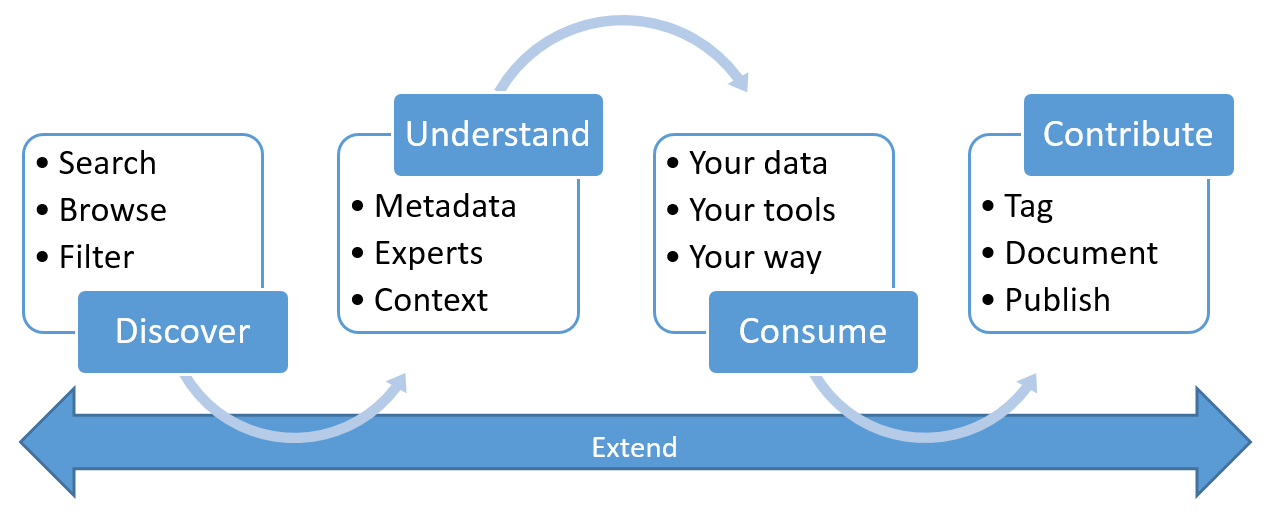
Several tools out there can be of use; I will only go into some of them, but one that I have consistently fallen back on is the Azure Data Catalog functionality Microsoft has produced. Some of the core benefits are:

  1. Integration into existing tools and processes with open rest API’s.
  2. Spending less time looking for the data, and more time getting value from it.
  3. Comprehensive security and compliance are built in.

Introduction to Azure Data Catalog | Microsoft Learn

As you look for continued ways to help cut wasteful spending, ensure consistent data quality, secure, and make your data compliant with ongoing regulations, it would behoove you to look at the Azure Data Catalog.

Your data availability depends on how far you can go as a data-driven company.